
Cave Casualties How to Spot and Survive Mimics
Code words, jump checks, light flashes, and squad rules that stop fake teammates from wiping your dive.
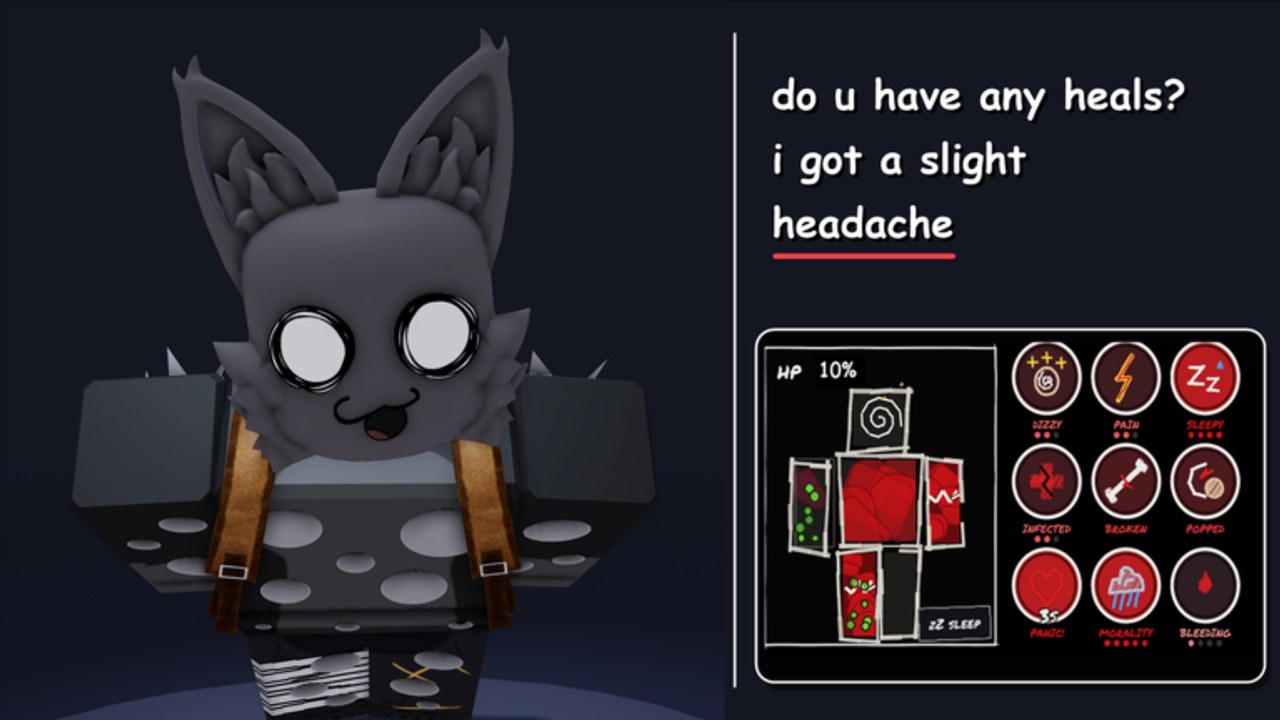
Mimics are one of the defining threats in Cave Casualties. They copy teammates, exploit trust, and punish anyone who follows a familiar silhouette into darkness without verification. This guide explains how to detect them, how to run checks without melting into arguments, and how to keep the rest of your survival systems—oxygen, light, wounds, infection—from collapsing while you sort identity. Read it after Getting Started and before long pushes described in How to Descend.
Cave Casualties is a Roblox cave-diving survival game by Bleedout Interactive (released October 28, 2026). It is an unofficial fan game inspired by Casualties: Unknown and is not affiliated with that title. Mimic pressure rises as you leave Surface Camp for Upper Caverns, Flooded Tunnels, and especially Lower Depths / LIMBO. Layer context lives in Map Layers.
What a mimic is trying to do
A mimic wants you isolated, dark, and committed. It looks like a teammate, uses urgency, and hopes you skip the check because oxygen is yellow or someone is bleeding. The correct response is almost always the boring one: verify first, move second. If verification fails, disengage into light with the players you can still confirm.
Mimics are a social systems problem as much as a combat problem. Teams that already share roles and medical calls from the Players Hub fail mimic tests less often because they already talk in short, predictable patterns.
Pre-dive mimic briefing (do this every queue)
At Surface Camp, spend thirty seconds on identity rules:
- Pick a code word or short phrase for the session. Change it if the lobby is public and noisy.
- Agree on a secondary check: jump twice, flash light, or both.
- State the hard rule: never follow anyone into complete darkness alone.
- Decide who calls a freeze when a check is in progress so people stop walking.
- Remind the medic not to chase a “downed” silhouette without confirmation—wounds and infection still need real patients, covered in Wounds and Infection.
If you skip this briefing, you will invent a code word mid-panic, which is exactly when mimics win.
Detection signals
Treat these as reasons to check, not automatic proof:
- A teammate appears ahead after a split you did not plan.
- Voice chat timing feels wrong, or answers dodge the code word.
- Someone insists you enter an unlit squeeze “right now.”
- A player refuses jump or light verification and reframes it as a waste of oxygen.
- Pathing ignores agreed extract routes and pulls the group deeper without discussion.
Anxiety and exhaustion make these signals harder to notice. If your meters are bad, your mimic discipline must get stricter, not looser. Calm the squad with light and spacing before you debate who is real.
How to run a clean check
Keep the ritual short and identical every time.
- Stop movement. Say “code check” or your freeze call.
- Ask for the session code word first.
- Demand the secondary action: jump pattern or light flash.
- Only resume when the visible player passes and the rest of the squad confirms.
- If voice is messy, rely on the physical check in light where everyone can see.
Do not stack five creative tests. Consistency beats cleverness. A mimic that fails once is enough reason to fall back.
Never follow into dark alone
This rule deserves its own section because it ends more runs than fancy tricks. If a teammate waves you into an unlit tunnel while the group is elsewhere, you are looking at either a terrible habit or a mimic. Answer with light, distance, and a check—not obedience. Bring a confirmed buddy and a light source, or refuse the path.
Scouts still scout, but they scout on a leash: radio contact, timed returns, and no silent blackout tours. See role notes on the Players Hub and route pacing in How to Descend.
What to do when a check fails
- Create space and keep lights facing the threat.
- Re-form on confirmed players only.
- Treat wounds immediately if the fake engagement caused damage—bandages first, then reassess infection risk.
- Cancel greedy objectives. Mimic incidents are extraction weather.
- Re-issue a new code word if you believe the old one leaked in a chaotic lobby.
Do not stand in darkness narrating theories. Move to a lit hold, count heads, then decide whether the dive continues.
Mimics across the layers
- Surface Camp — Brief here. Mimics are not the camp activity; preparation is.
- Upper Caverns — First real social tests. Practice checks while oxygen is still comfortable.
- Flooded Tunnels — Infection water plus urgency makes people skip verification. Pre-assign who watches identity while others manage wet crossings.
- Lower Depths / LIMBO — Exhaustion and anxiety peak. Assume splits are dangerous. Extract discipline matters more than proving bravery.
Pairing mimic defense with other systems
Mimic panics cause wounds. Wounds cause tunnel vision. Tunnel vision skips antibiotics in Flooded Tunnels. Infection then finishes the run the mimic started. That chain is why this page cross-links Wounds and Infection and why medical carriers should not abandon the group mid-check.
Light failures also feed mimics. If your light plan is weak, fix it using habits from Getting Started before you blame “bad luck” on every fake teammate.
Training drills between serious dives
- At Camp, rehearse the code word and jump/light combo once.
- In Upper Caverns, intentionally pause after a corner and run a check even when you think everyone is real.
- Practice refusing a dark invite as a group so nobody feels rude for saying no.
- After a wipe, write down whether the failure was detection, discipline, or medical follow-up.
Common mistakes
- Using the same public code word for weeks in open servers.
- Checking only with voice and never with a visible action.
- Letting one anxious player override a failed check because “we are almost there.”
- Sending the medic alone to “save” a silhouette.
- Ignoring mimic protocol because the squad is stacked with veterans.
Veterans get mimicked when they get lazy. The ritual exists for every dive.
Related pages
Return to the Guides Hub for the full index. Use Map Layers to know where pressure spikes, How to Descend for extraction after a scare, Updates Hub for patch changes, and Links Hub for the Roblox place and community links. Optional client tooling discussion stays on the Scripts Hub and is unrelated to legitimate mimic checks.
Master the boring verification loop and mimics stop feeling supernatural. They become another meter you manage—together with oxygen, light, and medical care—until the cave gives up and lets you extract.
Frequently Asked Questions
Quick answers for codes, mimics, wounds, and deeper dives.
What is the best quick mimic check in Cave Casualties?
Use a session code word plus a visible jump or light flash, and freeze movement until the whole confirmed squad agrees.
Why should I never follow a teammate into the dark alone?
Mimics rely on isolation. A dark solo follow removes witnesses, light, and backup checks, which is exactly the wipe setup.
Should we change code words every match?
Yes in public or chaotic lobbies. Private trusted groups can reuse a word carefully, but refresh it if identity ever feels compromised.
What if someone refuses the check?
Treat refusal as a fail. Disengage into light with confirmed players and do not continue the objective behind that silhouette.
Do mimics matter more in LIMBO than Upper Caverns?
Pressure is higher in Lower Depths / LIMBO because exhaustion and anxiety rise, but you should practice full checks starting in Upper Caverns.